
The Impact of Diet and Nutrition on Brain Function: A Complete Guide to Better Brain Health
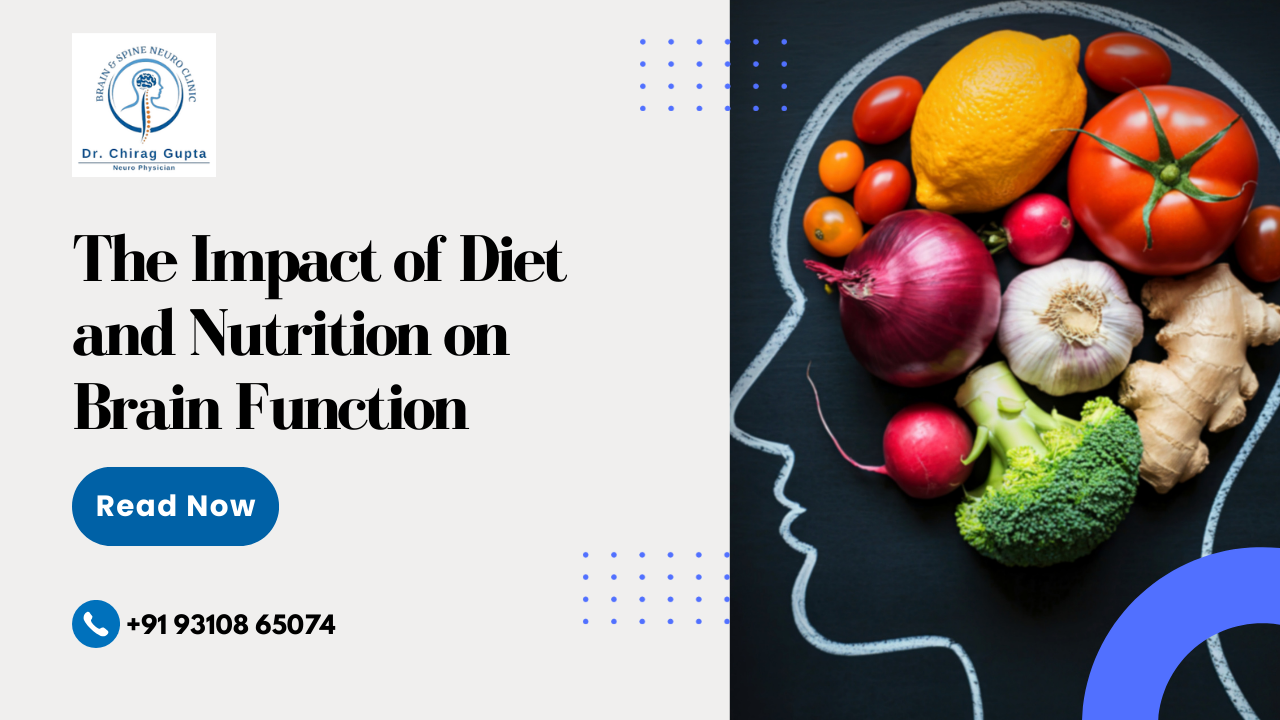
The human brain is one of the most energy-demanding organs in the body, using nearly 20% of the calories you consume every day. What you eat doesn’t just affect your physical health—it directly influences your memory, focus, mood, and overall brain performance. From students trying to improve concentration to older adults protecting cognitive health, nutrition plays a vital role at every stage of life. Understanding this connection helps you make smarter choices and, when needed, seek guidance from the Best neurologist in Greater Noida.
How Nutrition Directly Affects Brain Function
Your brain depends on nutrients to perform essential tasks such as transmitting signals, maintaining nerve cells, and protecting itself from damage. According to the World Health Organization, proper nutrition supports cognitive development, mental clarity, and emotional stability.
Here’s how food impacts brain function:
- Provides energy: Glucose from healthy carbohydrates fuels brain activity.
- Supports neurotransmitters: Nutrients help produce chemicals like serotonin and dopamine, which regulate mood.
- Protects against damage: Antioxidants reduce inflammation and oxidative stress.
- Maintains brain structure: Healthy fats preserve nerve cell integrity.
Poor nutrition, on the other hand, can lead to fatigue, poor concentration, and increased risk of neurological conditions, which may require evaluation by the Best neurologist in Greater Noida.
Essential Nutrients That Boost Brain Health
1. Omega-3 Fatty Acids
Omega-3 fatty acids are crucial for brain cell structure and communication. They improve memory, learning, and emotional balance. Rich sources include:
- Fatty fish like salmon and sardines
- Walnuts
- Flaxseeds and chia seeds
Research from Harvard Medical School shows omega-3 fats can slow cognitive decline and support long-term brain health. If symptoms like memory loss or brain fog persist, consulting the Best neurologist in Greater Noida can help identify underlying causes.
2. Antioxidants
Antioxidants protect brain cells from oxidative stress, which contributes to aging and neurological disorders. Foods rich in antioxidants include:
- Blueberries
- Spinach
- Dark chocolate
- Tomatoes
These foods help maintain mental sharpness and reduce inflammation in the brain.
3. B Vitamins
B vitamins support nerve function and help produce neurotransmitters. Deficiency can lead to fatigue, confusion, and memory problems. Good sources include:
- Whole grains
- Eggs
- Dairy products
- Leafy green vegetables
4. Protein and Amino Acids
Protein provides amino acids that help produce neurotransmitters essential for mood and concentration. Include:
- Eggs
- Lentils
- Nuts
- Lean meat
Balanced protein intake ensures efficient brain communication and mental clarity.
The Gut-Brain Connection: Why It Matters
Your gut and brain are closely connected through what scientists call the gut-brain axis. Healthy gut bacteria produce chemicals that influence mood, memory, and cognitive performance.
Foods that support gut health include:
- Yogurt
- Fermented foods like kimchi
- Bananas
- Fiber-rich vegetables
An unhealthy gut can contribute to anxiety, depression, and brain fog. Persistent neurological symptoms should be evaluated by the Best neurologist in Greater Noida for proper diagnosis and care.
Foods That Harm Brain Function
Just as some foods improve brain health, others can harm it. Avoid or limit:
- Excess sugar
- Processed foods
- Trans fats
- Sugary beverages
These foods increase inflammation, reduce memory performance, and increase the risk of neurological conditions. Long-term unhealthy eating habits may require intervention from the Best neurologist in Greater Noida.
The Role of Hydration in Brain Performance
Even mild dehydration can affect concentration, mood, and mental clarity. Your brain needs proper hydration to function efficiently.
Benefits of proper hydration include:
- Improved focus
- Better memory
- Reduced fatigue
- Enhanced mood
If you frequently experience headaches, dizziness, or brain fog, consulting the Best neurologist in Greater Noida can help determine whether hydration or other neurological factors are involved.
Practical Diet Tips for Better Brain Health
Here are simple daily habits to support brain function:
- Eat a balanced diet with fruits, vegetables, and healthy fats
- Include omega-3-rich foods regularly
- Stay hydrated throughout the day
- Limit processed and sugary foods
- Maintain consistent meal timing
These small changes can significantly improve mental performance and reduce the risk of neurological issues. If cognitive problems persist, guidance from the Best neurologist in Greater Noida can ensure proper care and prevention.
Conclusion
Your brain health is deeply connected to what you eat every day. A balanced diet rich in healthy fats, antioxidants, vitamins, and hydration can enhance memory, improve focus, and protect against neurological disorders. On the other hand, poor dietary choices can negatively impact cognitive function and emotional well-being. By making conscious nutrition choices, you invest in long-term brain health, mental clarity, and overall quality of life.
FAQs
1. Which food is best for brain health?
Fatty fish, nuts, berries, and leafy greens are excellent for brain health.
2. Can diet improve memory?
Yes, proper nutrition supports memory and cognitive performance.
3. Does sugar affect brain function?
Excess sugar can impair memory and increase inflammation.
4. How much water is needed for brain health?
About 2–3 liters daily, depending on body needs.
5. When should I consult a neurologist?
If you experience frequent headaches, memory loss, or brain fog.